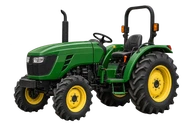
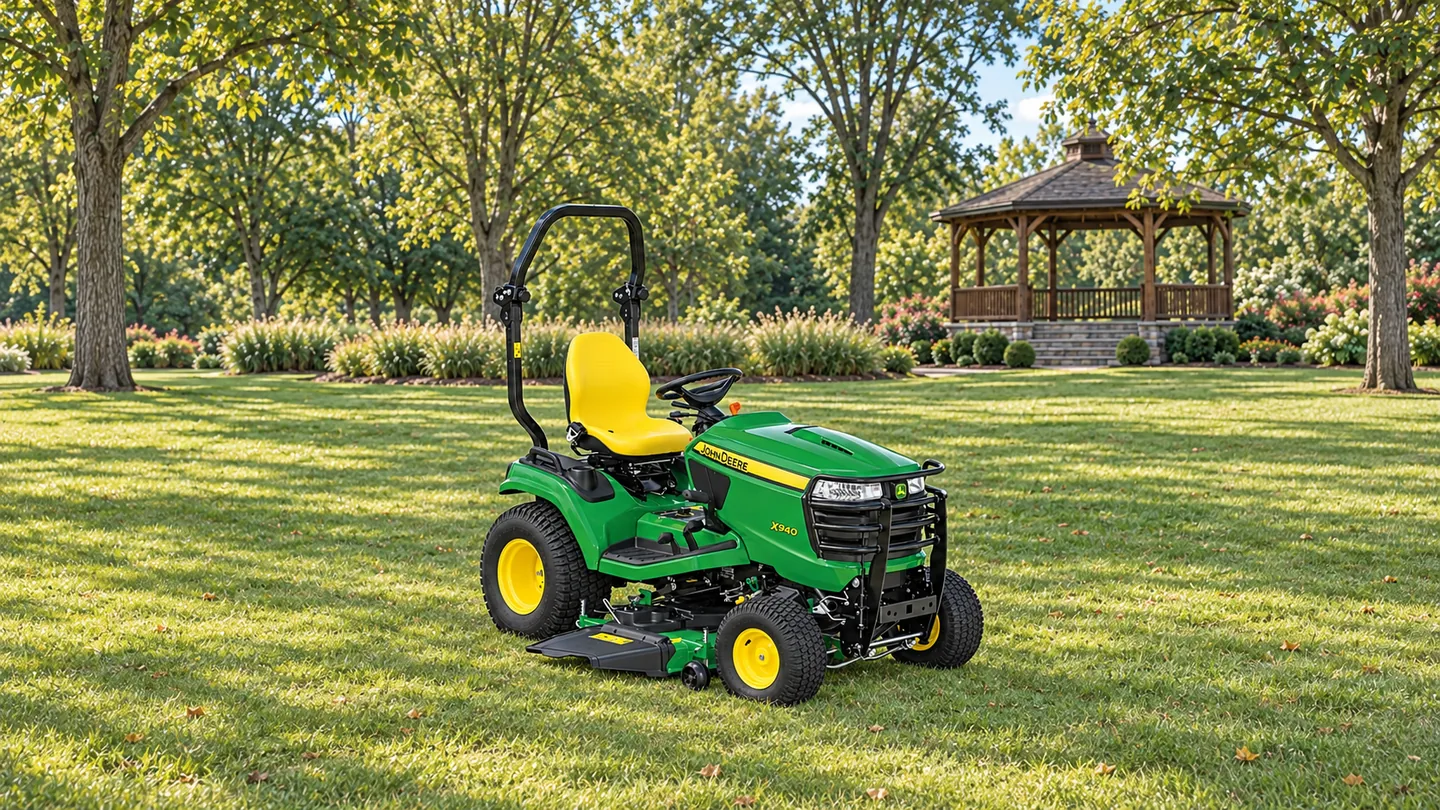
The John Deere X940 described in Deere’s regional documents is a diesel mowing tractor. If an offer calls it a gasoline V-twin, check the machine’s identity before relying on its other specifications. Its engine documents, service records and parts references need to describe the machine being sold.
This guide uses John Deere’s French and Belgian product information as regional references. Those pages do not establish U.S. availability, a U.S. equipment package or warranty coverage. Match the tractor identification, engine and installed deck before applying a catalog specification to a used machine.
Equipment & supplies
Identification tools for X940 Diesel Mowing Tractor
Read the machine and component markings before ordering. These inspection tools do not establish part fit.

Ullman HTC-2 inspection mirror
Read an accessible identification plate from another angle when collecting details for the matching manual.

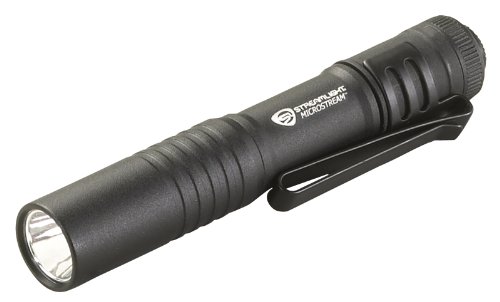
Streamlight MicroStream pocket light
Read accessible identification and warning labels after following the machine's shutdown instructions.

As an Amazon Associate I earn from qualifying purchases.
What the regional X940 documents identify
The describes this configuration. It gives no model-year or serial range establishing that these details cover every X940 built.
| Item | Published reference | Buying implication |
|---|---|---|
| Engine and fuel | 3TNM72; three cylinders; 903 cc; liquid-cooled diesel. | Check the installed engine against the record. Do not use gasoline spark-plug or carburetor advice. |
| Drive and steering | Two-wheel drive and hydraulic front-wheel power steering. | Do not apply a different X900 model’s four-wheel-drive or four-wheel-steering description. |
| Controls and lift | Hydrostatic drive with Twin Touch pedals; hydraulic lift. | Identify the installed controls and attachments rather than assuming an optional manual lift. |
Compare the original power-rating line
Deere’s lists 18 kW at 3,400 rpm for the X940, alongside 24.5 in a column labeled “ch.” The nominal-power heading references SAE J1995, and the X940 entry is marked “Stage V”; the table gives no serial range. Keep the units, engine speed and source label together. The number is not an independently verified U.S. horsepower rating.
When comparing two offers, request the original specification line. A different rating basis, publication date or engine can make a bare horsepower comparison misleading. The power figure does not establish towing capacity, an allowable slope or attachment compatibility.
Separate the tractor from the mowing package
The Belgian table lists X940 cutting widths of 122, 137 and 152 cm. These are cutting widths, not overall machine widths or confirmation that every deck fits an identified tractor. The French page describes collection as optional. An offer with “a deck and collector” still needs an itemized equipment record.
| Entry | Record separately |
|---|---|
| Tractor | Full model identity, identification record and known modifications. |
| Deck | Installed deck designation, identification and discharge arrangement. |
| Collection equipment | Actual collector and connection components included, not merely a claim that collection is possible. |
| Support | Applicable documentation and written answers about local parts, service and any promised warranty. |
Keep identification-plate details in your private records. Obtain the dimensions of the complete installed package for access and storage checks. Compare them with the entire route, including turns and the storage approach. Do not plan around removing guards or changing the protective structure.
Resolve mismatches in the diesel service record
A service entry needs to identify the machine, date, operating hours and work performed. If an invoice lists an engine or part inconsistent with the offered tractor, ask whether the document belongs to another machine or a component was replaced. Leave the mismatch unresolved until it is explained; do not infer a replacement simply to make the records agree.
Descriptions such as “runs rough” or “transmission weak” are reported symptoms, not diagnoses. Record what the seller reports and obtain a qualified assessment where condition is uncertain. This buying guide supplies no substitute fuel recommendation, repair procedure, oil schedule, slope limit or towing allowance.
Organize unresolved offer or parts questions
Use the Offer Scope Check to compare what the sellers include. For an unresolved component inquiry, use the Parts Request Brief. To compare equipment classes rather than individual offers, return to John Deere Mowers.
I’m a bit skeptical. The article paints the X940 as almost perfect, but I’ve read mixed reliability reports. The Maintenance section glossed over recurring issues like deck belt wear and battery draining during winter storage. Anyone else seen that?
Also, sticker price + useful accessories (like weighted tires, mulching kit) adds up quick. Make sure you factor total ownership cost.
Yep, belts are wear items — if you do a lot of leaf/mulch work or heavy grass, change belts sooner. I carry a spare belt in my shed and it’s saved me a day of downtime.
Also note: total ownership cost varies a lot by how intensively you use the tractor. We tried to cover accessories and cost considerations in the Buying section, but people should definitely itemize expected extras before purchase.
Battery draining is usually from leaving accessories plugged in or not using a maintainer. Invest in a good trickle charger if you winterize your machine.
Fair skepticism. We included reliability data but maybe didn’t highlight frequency of some wear items. Deck belts and batteries are common consumables across brands; budgeting for those and for proper winter storage is wise.
If you buy used, ask for service records. Many ‘reliability’ problems come from neglected units, not the model itself.
Long comment incoming — sorry not sorry, lol.
I appreciated the depth on operator comfort. As someone who mows for neighbors on weekends, seat comfort and control layout are everything. The article nailed the ergonomics part, but I wanted to share my personal checklist for test-rides:
1) Sit for 10-15 minutes to see if numbness occurs.
2) Test steep inclines — some tractors feel twitchy.
3) Try engaging the deck while idling and at mowing speed to listen for unusual noises.
Also, accessibility for daily checks (oil dipstick, air filter) made a big difference when I had to do quick maintenance between jobs. Hope this helps other weekend pros.
Good call on the incline test. I’ve seen tractors with borderline stability on hills even with decent HP — weight distribution and tires matter too.
Thanks for the detailed test-ride checklist — that adds practical steps people can use immediately. Love the incline test tip.
Agree on accessibility. Reaching the air filter on some models is a pain — took me 20 minutes once to change it in the field.
Not a pro but I always check cupholder placement first lol. Small comforts are everything 😄
Had mine serviced at a local shop last month and can confirm the serviceability points in the article. Oil filter and air filter access are easy, which makes DIY upkeep realistic.
One tip: keep spare fuses and the right grease nipple adapter in your toolbox — saved me on a Saturday afternoon.
Good call on spare fuses. Electrical gremlins are usually small bits that stop everything cold.
Thanks for the practical tip about the grease nipple adapter — small tools like that really make field maintenance easier.
This line made me laugh: “Is the X940 Right for Your Lawn Work?” Like, does it do my taxes too? 😂
Seriously though, entertaining article. The cut-quality photos sold me — looks really clean. Would love a short video of it mulching leaves though.
Yesss video! Pictures are great but motion shows how it handles heavy leaves vs fresh grass.
Ha — no tax feature yet! Good idea on a mulching demo video; we’ll see if we can add one in a follow-up post.
Buying considerations: the piece on accessories was spot on. I bought the X940 last year and adding a ballast kit and a rear bagger changed the game for winter leaf cleanup. Just a couple of reminders:
– Get the dealer to walk you through initial setup.
– Ask about extended warranty if you plan to do commercial work.
– Keep receipts and parts numbers for easier servicing.
Oh and haggle on the accessories price if you can — dealerships will often budge.
Don’t forget to ask about demo rides — they sometimes let you test specific accessory combos so you can see how it handles.
If you plan to use it commercially, check the warranty limits. Some warranties exclude heavy commercial use unless you buy an upgraded plan.
Did you find dealer-negotiated bundles helpful? I’ve seen bundles with free first service which can be decent value.
Great real-world tips, Linda. The article suggested accessories to consider but your negotiation tip and paperwork advice are super practical — thanks for sharing.
Great write-up! I liked how the article broke down the engine and transmission — made it easy to understand why 24.5 HP matters for bigger yards. I’ve been eyeing a 48-inch deck for a long time and the notes on cut quality and grass handling convinced me to consider the X940.
One thing I’d add: check local dealer availability before deciding, some dealers have long wait times for specific deck configurations.
Which 48-inch deck were you considering? The article mentioned the mid-mount vs. rear-discharge options — big difference depending on the grass type.
Thanks, Emily — glad the engine/transmission section was useful. Good point about dealer stock; we try to remind readers about that in the buying tips but it’s worth emphasizing.
Totally agree on the dealer thing. I waited 6 weeks for a particular deck. Also, ask about winter storage options if you’re buying before the off-season.
Quick technical Q: the article mentions different deck options and spindle configurations. For someone with mixed lawn (thick Bermuda + shady fescue patches), which deck setup gives the best all-around cut and reduced scalping risk?
Also, any tips on blade selection? Standard, high-lift, mulching? Thanks.
Also check your deck wheel settings — a small tweak there can prevent scalping on uneven areas.
I use mulching blades for Bermuda and switch to high-lift for heavy leaf runs. Keeps things flexible.
Good question. For mixed lawns, a mid-mount deck with anti-scalp rollers and adjustable deck height is usually best. High-lift blades help with bagging and discharge; mulching blades are great if you want to return clippings to the lawn and reduce bagging. If scalping is a concern, keep the deck a touch higher and use anti-scalp wheels.
Solid overview, but I wanted more on the maintenance side. The Maintenance, Reliability, and Serviceability section was okay, but I’d like a checklist for first-year owners — oil, filters, belts, tire pressure, that sort of thing.
Good suggestion. We can publish a first-year maintenance checklist as a follow-up. For quick wins: change oil after the first 8-10 hours, keep blades sharp, and grease spindles every 25 hours (check your manual for exact intervals).
I keep a simple spreadsheet for service dates and it’s been a game changer. Also, take photos before winter storage so you remember how things were assembled 😅
Short note: love the photos, but the pricing section felt a bit light. Also, minor typo in the specs table (extra zero?), maybe check that. Otherwise solid read 👍
Thanks, Sophie — we’ll recheck the specs table and fix any typos. Appreciate the heads-up!
Good catch — typos in specs can be misleading if someone’s budgeting. Glad you noticed 👀
If you’re comparing prices, remember local taxes and setup fees vary a lot. Ask for an out-the-door quote.