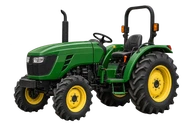
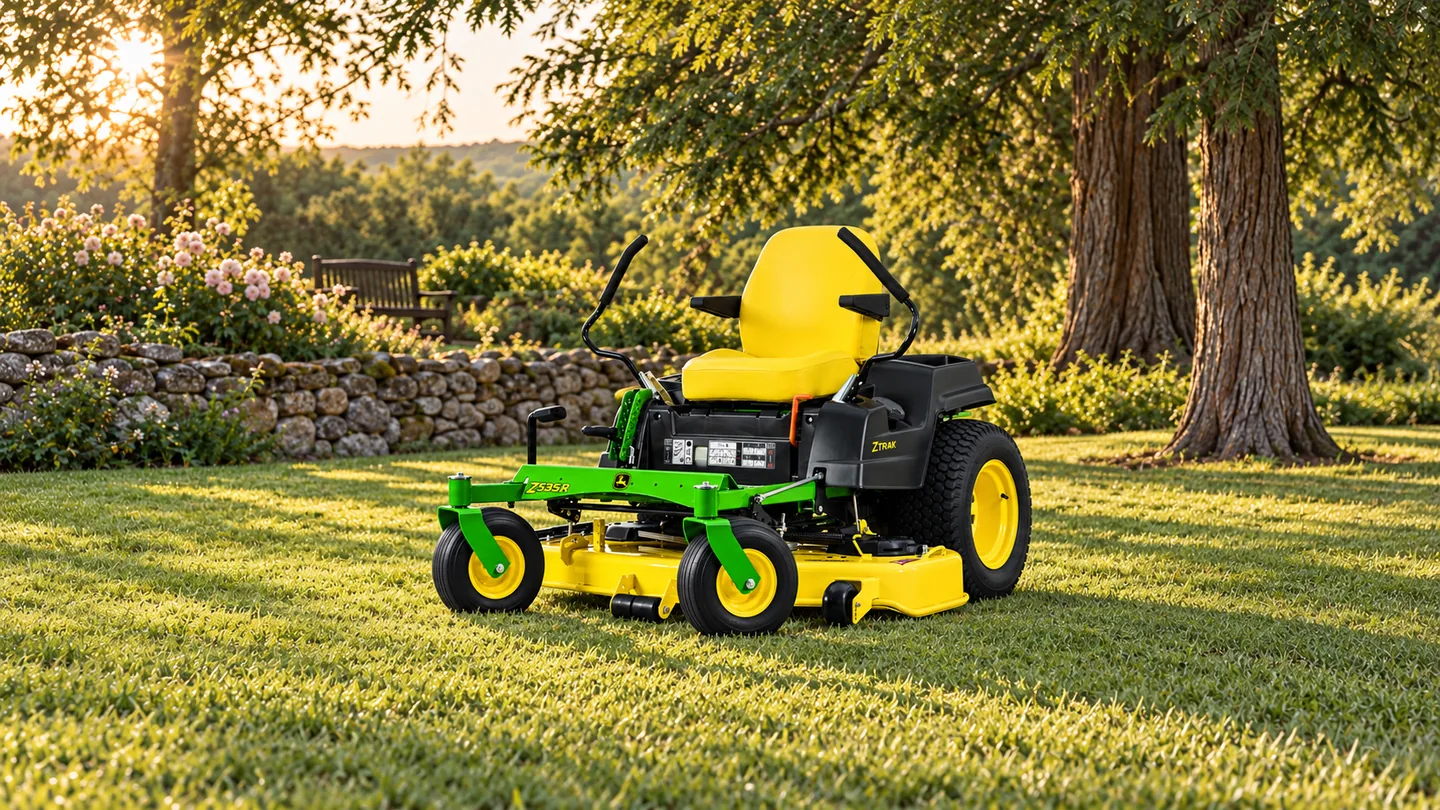
For a used John Deere Z535R or a parts request, identify the mower, installed engine, deck and collection system separately. A replacement engine or collector can change the parts question while the mower still carries the same model name.
A documented Z535R deck configuration
Deere’s has two sheets: GX571790 for the Z535R machine and GX576501 for the 54-inch High Capacity deck. Use them as dated references when identifying the offered equipment. They do not establish every model year’s factory options or the condition of a used mower.
The also keeps the Z535R 54-inch High Capacity entry separate from Z535M entries. It provides a route to the documents; it does not confirm U.S. availability or make a Z535M configuration applicable to a Z535R.
Which identifier answers the parts question?
The guide uses different conditions for engine, electrical and collection components. Match the condition attached to the component you are discussing, rather than copying a serial number into every field.
| Component question | Document branch | Record to obtain |
|---|---|---|
| Fuel filter | FUEL FILTER box, page 1: engine-assembly applications. | Installed engine identity and replacement history. |
| Ignition switch | Up to serial 080000, and from 080001, in the electrical section, page 1. | Machine identification and the applicable serial range. |
| Power Flow belt | Up to Power Flow serial 050000, and from 050001, in the V BELT box, page 2. | Installed Power Flow assembly identity. |
| Battery | Canada/USA and other-market applications, page 1. | Market specification and supplier confirmation. |
These are identification questions for a supplier, not a parts-order approval. The 2023 guide cannot settle current supersession or compatibility with an assembly fitted later. Keep an unresolved branch open until the supplier checks the actual records.
Equipment & supplies
Identification tools for Z535R ZTrak Residential Zero-Turn Mower
Read the machine and component markings before ordering. These inspection tools do not establish part fit.

Ullman HTC-2 inspection mirror
Read an accessible identification plate from another angle when collecting details for the matching manual.

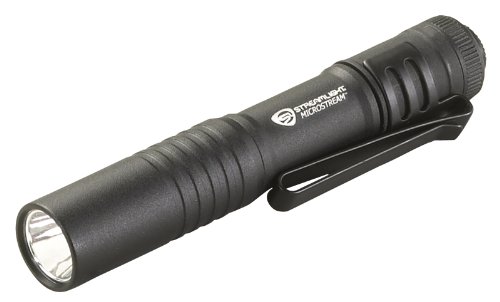
Streamlight MicroStream pocket light
Read accessible identification and warning labels after following the machine's shutdown instructions.

As an Amazon Associate I earn from qualifying purchases.
Build the ownership record from the offered machine
Request separate descriptions of the mower, engine, deck and included collection equipment. Keep identification-label photographs privately with service and modification records.
Identify what is fitted, what is supplied loose, and what is missing; photographs of a similar mower cannot establish those details.
For example, “new engine and complete bagger” leaves two questions: which engine was installed, and which collection assembly is included? An engine invoice does not identify the collector. Missing paperwork remains unknown. Where condition or a modification cannot be established, obtain a qualified inspection before comparing the work needed with another offer.
The 54-inch deck description is a cutting-width reference. It does not establish the machine’s complete transport envelope with collection equipment attached. Resolve dimensions and the applicable loading instructions before arranging collection.
Choose the document for the job
A replacement-parts sheet does not replace operating instructions. Match the operator’s manual to the identified mower and fitted equipment for controls, terrain, loading, storage and service. This documentation-based guide contains no hands-on mowing tests or maintenance-cost forecast.
Use the Parts Request Brief to prepare a supplier question with the missing assembly information. Use Offer Scope Check to compare included equipment and unresolved work. Return to John Deere Mowers when reconsidering the equipment type.
About the comments below: the discussion includes advice and experience claims about older copy. It does not verify part fit, operating safety or service procedures for your Z535R. Check those questions against the matched manual and qualified support.
Real talk: I appreciated the maintenance and durability notes — but the article felt dealer-friendly in parts. Like, it hinted at accessories but didn’t call out which are redundant. For instance, grass catcher on a zero-turn? Kinda niche.
Also: you can’t beat a good demo day before you commit. Try before buying!
Grass catchers are useful if you want a pristine lawn and bagging. Otherwise, mulching kit or side discharge is fine for most folks.
Exactly. For my place, mulching did more work than a catcher ever would.
Fair call. We tried to remain balanced but will be more explicit about which accessories add real value vs. which are optional luxury. Demo days are the best advice — nothing beats a seat time test.
Love the cutting system description — deck design seems thoughtful. But the article skipped over blade change complexity. How easy is it to swap blades and balance them? I don’t want a 2-hour job just to rotate blades.
I change mine every season and it’s quick. Get a blade balancer — cheap, and you’ll keep the deck vibration low.
Thanks Hannah. Blade changes are straightforward — typical three-bolt attachments, but the deck shield geometry can be tight. Most homeowners swap blades in under 30 minutes with the right wrench and block. We’ll add a step-by-step how-to in the follow-up.
Appreciate the tips — might try the balancer. 👌
Great write-up — I was curious about the Z535R after seeing it at the dealer. A few thoughts:
1) The comfort section sold me — wish they’d shown a close-up of the seat adjustments.
2) Does anyone know how the stamping on the deck holds up over time? I mow a hilly yard and worry about warping.
3) Fuel efficiency numbers in the article seemed optimistic to me.
Overall, solid review though. 👍
I have a Z600 series at my shop and the deck has been fine for years, but I avoid mowing when the grass is really wet — that’s when you get the most stress on the metal.
Thanks Laura — good questions. The deck stamping is thicker than some residential decks; John Deere tends to do well on warping but heavy scalping on hills can still be an issue. For seat pics I’ll ask the team to add close-ups in a follow-up.
If you’re worried about hills, consider the high-back seat option they mentioned — saved my back on a slope yard last season.
I chuckled at the ‘operator experience’ section — the control layout really is as intuitive as they claim. I demoed one and didn’t need a manual. Still, the parking brake lever felt a little clunky.
Also, for taller folks: the steering levers hit my knees on the long drives. Not a dealbreaker but worth testing in person.
I’m 5’9″ and found the controls fine after adjusting the seat. Definitely try one in person if you’re close to the edge on height.
The parking brake is a lever, yeah — practice a few times and it becomes muscle memory. Noticed it on every residential ZTrak I’ve tried though.
@Nina — good to know. I swapped to the deluxe seat option at the dealer and it helped a lot.
Thanks — ergonomics vary a lot with driver height and control setup. We’ll add a quick height/fit table for common body sizes in the update.
Short and sweet: price vs features looks fair. But IMO the article could’ve compared it to a few competitors in the same price band. Felt a bit isolated as a single-model spotlight.
Nice breakdown of the engine section — but the noise levels? I have a small yard and neighbors complain about my old mower. Is the Z535R noticeably quieter than typical residential zero-turns? The numbers alone don’t tell the whole story, imo.
I live in a neighborhood with thin walls — some newer ZTraks are surprisingly tame. If noise is a big issue, ask dealers for a demo run; acoustics vary a lot with aftermarket attachments.
Depends on when you’re mowing too — early morning usually gets the most complaints. 😅 I like to aim for late morning when allowed.
Good point, Priya. In our testing the Z535R felt a bit quieter at idle and cruise vs older residential units, largely due to vibration damping and muffler design. Still louder than a walk-behind in absolute terms. We’ll try to include decibel readings next time.
Funny take: I used to think all mowers were the same until I rode a ZTrak — felt like driving a tiny tractor vs. my old push mower haha. The article nailed the “operator experience” bit.
One small nit: photos of the control cluster would be helpful for new owners.
Glad you enjoyed that part! We hear that a lot — it’s surprising how transformative the ride is. We’ll add close-up shots of the controls in the gallery.
@Evan — on most Deeres they’re pretty well labeled; throttle is usually on the right side console. But yeah, screenshots would save time.
Pics please! I need to know where the throttle and choke are without reading a manual 😂
I gotta say — the buying guide was super helpful. The article explained total cost of ownership better than most dealer pitches. One thing: how much do tire choices affect ride comfort and cut quality? Anyone experimented with turf vs flotation tires?
I switched to wider tires for a sandy yard and saw less rutting. But they cost more and slightly reduce top speed.
Good question. Turf tires reduce turf damage and are common for residential users. Flotation tires help on very soft or hilly ground. We’ll add a short comparison chart of tire types and their trade-offs.
Thanks — that helps. Might go with a moderate upgrade then.
I’m thinking of buying one next spring. Two worries:
– Warranty fine print? Is it comprehensive for residential use?
– Resale value — do John Deeres hold up better than other brands?
Would love some anecdotal experience here.
Warranty: John Deere’s residential warranty is decent and dealer-backed; specifics vary by region so check the owner’s manual and ask your dealer. Resale: JD name has good resale value but condition and hours matter most.
Totally — if you keep service records and don’t abuse it, Deere machines tend to attract buyers. But steer clear of buying too many aftermarket mods that could scare off buyers later.
I sold my old Deere two seasons ago and got better trade-in value than a different-brand zero-turn I had. People pay for the brand and parts availability.
Check local classifieds — JD models do tend to move faster. Resale also depends on whether you kept the deck in good shape (no rust, no bent edges).
One more note: consider extended warranty only if you plan heavy commercial use; for typical residential owners the standard warranty plus preventive maintenance usually suffices.
Anyone else think the maintenance section understated how often you need to grease pivot points? I like JD, but when you run a few acres, those zerks add up. Could use a maintenance interval table in the article.
Agreed. I run a small landscaping business and grease every 50 hours on decks like this. Better safe than sorry.
Fair criticism — we simplified the schedule for readability. We’ll add a more detailed service interval table showing zerks, oil change, deck spindles, and air filter in the update.