
Komelon Self Lock tape measure
Record accessible ground-level dimensions for an equipment and site discussion with a dealer or rental provider.
Equipment guides for the work ahead
Browse by equipment
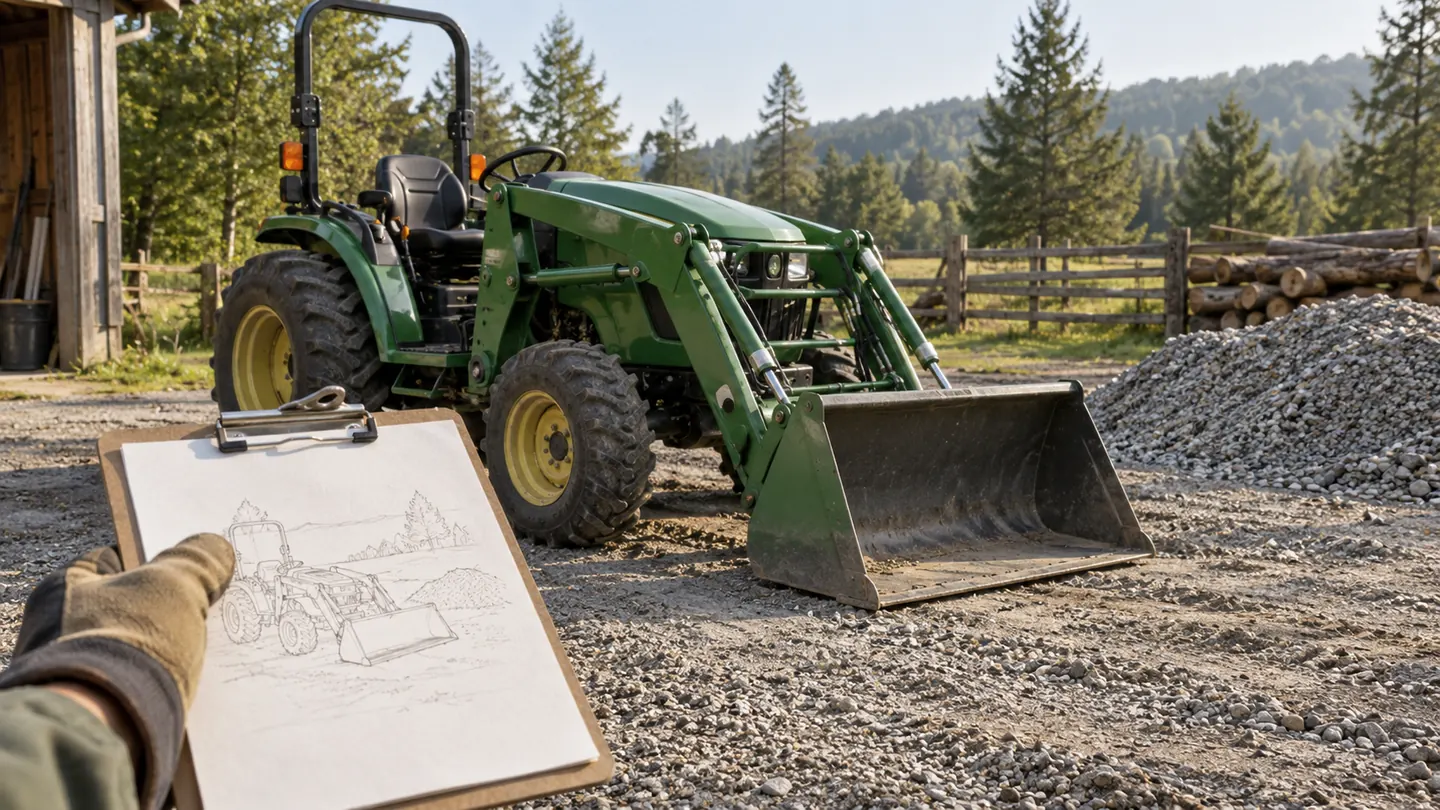
A tractor-mounted front loader, a backhoe loader, and a compact loading machine are not interchangeable buying categories. Start by identifying the machine class and the exact equipment included in the listing.
Use the existing archive below as a research starting point. A page about one loader does not establish fit or capacity for another tractor, carrier, bucket, or fork arrangement.
Equipment & supplies
Measure the proposed setup and record each machine and attachment identifier. A shared category or series name does not establish compatibility.
Record accessible ground-level dimensions for an equipment and site discussion with a dealer or rental provider.

Read an accessible identification plate from another angle when collecting details for the matching manual.
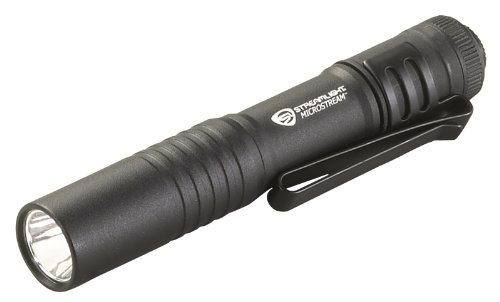
Read accessible identification and warning labels after following the machine's shutdown instructions.
As an Amazon Associate I earn from qualifying purchases.
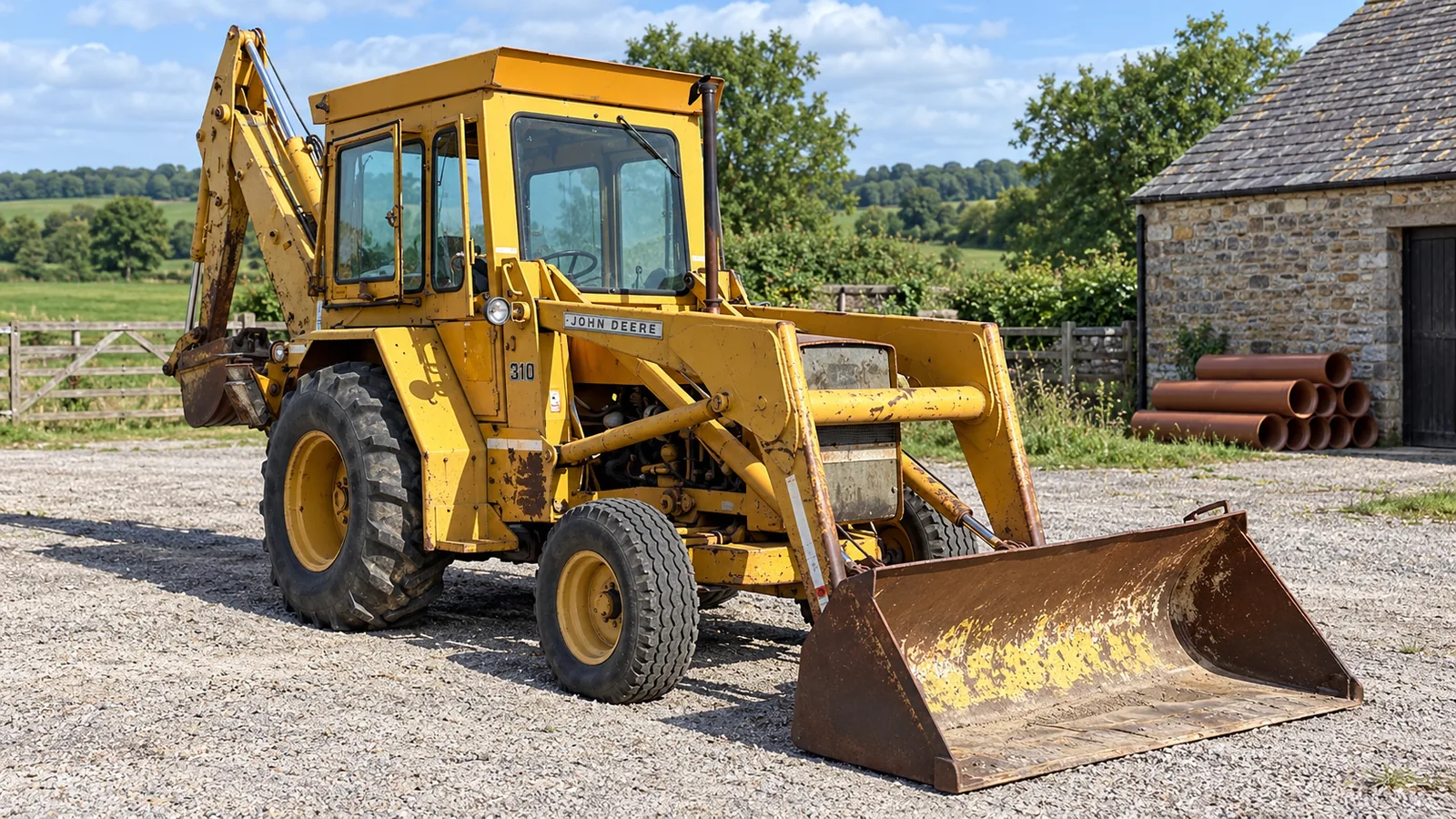
Read the original John Deere 310 backhoe loader sheet: compare early/later 9405 and 9500 rows, retain hydraulic conditions, and check document gaps.
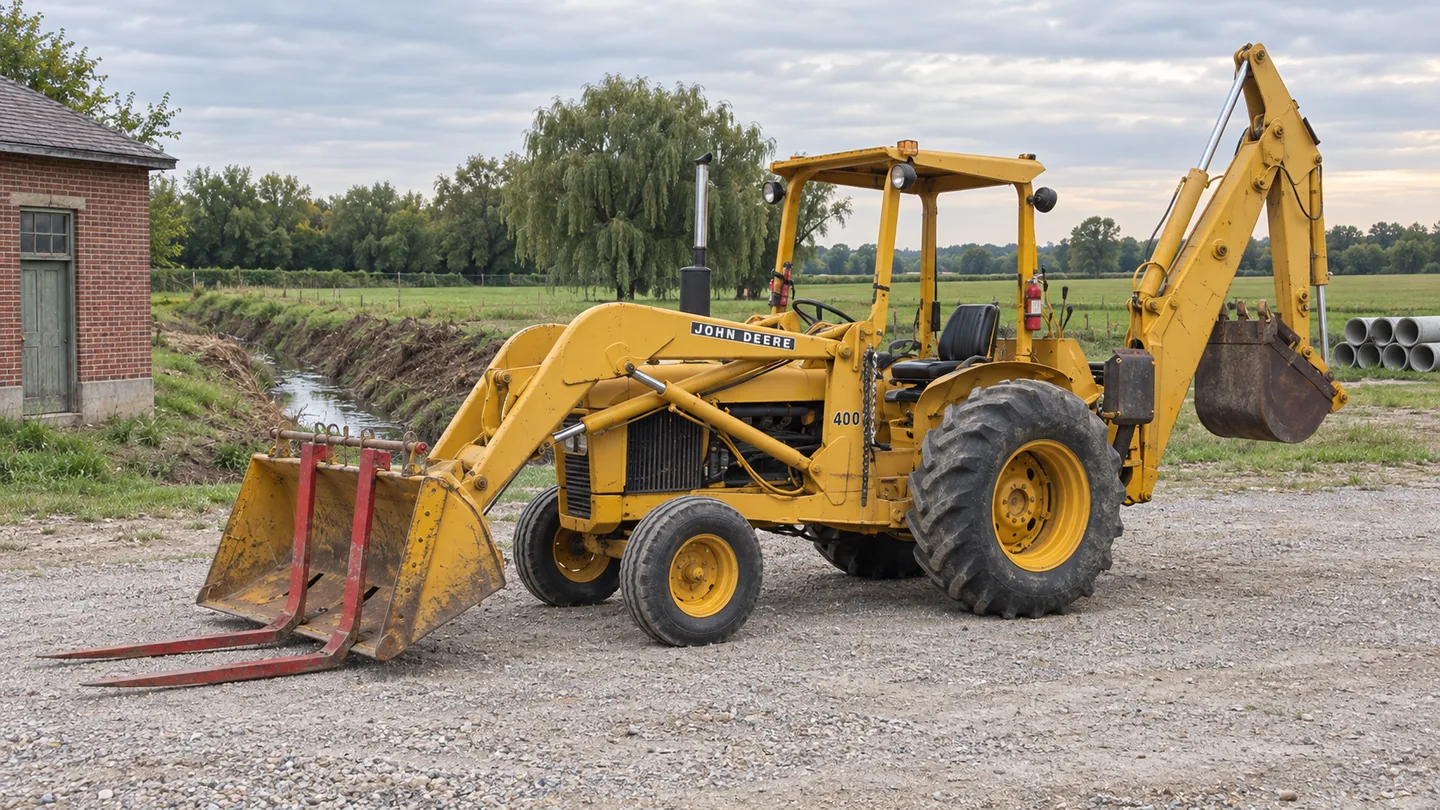
The John Deere industrial 400 needs to be identified as a complete machine before you use a specification or order a part. Record the tractor, engine, loader and backhoe separately. A listing headed “John Deere 400” does not establish the engine, attachment, capacity or replacement parts fitted to the machine in front of you. Identify…
| The listing describes | Identify together | Do not substitute |
|---|---|---|
| Front loader for a tractor | Host tractor, loader model, mounting equipment, and attachment. | A similar tractor name is not a fit confirmation. |
| Backhoe loader | Whole machine, front loading equipment, and rear digging configuration. | A tractor loader's specification does not describe the complete backhoe-loader machine. |
| Skid steer or compact track loader | Machine, carrier interface, attachment, and hydraulic configuration. | Do not treat its capacity terminology as identical to a tractor-loader lifting figure. |
| Wheel loader | Exact machine, bucket or forks, and the manufacturer's configuration notes. | A bucket-volume figure does not answer every lifting question. |
When comparing capacity claims, record the name of the metric, units, measurement point, height, and configuration shown in each source. If these differ or are missing, ask the seller to explain the difference rather than treating the largest number as the winner.
Keep lifting capacity, rated operating capacity, tipping load, and bucket volume as separately labeled fields. Use the exact machine and attachment documentation for operating limits; this comparison checklist does not authorize a lift.
For a tractor-mounted loader, ask whether the quote identifies the loader, mounting components, controls, hydraulic connections, and the specified bucket or forks. Mark each item included, excluded, or not stated. Do not assume every item applies to every machine class.
Use the Offer Scope Check to compare what two sellers have actually described. Use the Parts Request Brief when the question is an existing machine's component or replacement part, rather than a new loader package.
For the tool on the carrier, continue to the attachments archive. Keep the carrier and attachment identities together so the next page starts with the right fit question.
For model-specific documentation, start with the . Match the publication to the machine and configuration rather than relying on the model name alone. For construction equipment or a publication you cannot find, ask your John Deere dealer for the correct documentation route.