Find the right maintenance guide or parts reference by identifying the machine first. Record the model and product identification number (PIN) or serial number, plus the engine and attachment details relevant to the job. Keep those identifiers together when checking a manual, parts diagram or seller listing.
Parts lookup, scheduled maintenance and service preparation call for different details. A matching model name is a starting point, not a complete fit check. lets you select equipment by model or serial number before browsing parts.
Choose the help you need
| Your task | Have this ready | Next step |
|---|---|---|
| Locate a replacement part | Machine identifier, affected assembly and any existing part number. | Use the John Deere parts-catalog guide. |
| Plan an engine oil change | Exact engine information and the applicable manual. | Check the model-specific oil-change guide. |
| Describe a hydraulic problem | The symptom, when it appeared and the attachment in use. | Read the hydraulic troubleshooting guide before deciding what help is needed. |
| Find the governing instructions | Machine, engine and attachment identifiers, as applicable. | Start with . |
Equipment & supplies
Tools for identifying service parts
Read the machine and component markings before ordering. These inspection tools do not establish part fit.

Ullman HTC-2 inspection mirror
Read an accessible identification plate from another angle when collecting details for the matching manual.

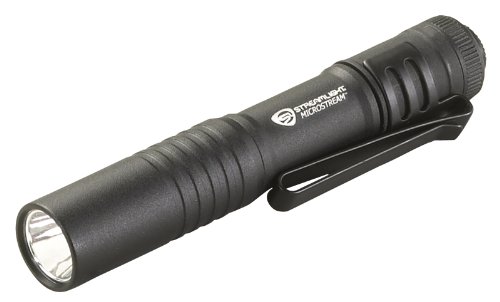
Streamlight MicroStream pocket light
Read accessible identification and warning labels after following the machine's shutdown instructions.

As an Amazon Associate I earn from qualifying purchases.
Create a machine record before ordering
Use the record below as a checklist. Leave an item marked “not confirmed” when the information is missing. A seller’s description, an old invoice and the identification plate can disagree; resolve the difference before treating a part or kit as a match.
| Record | What to capture |
|---|---|
| Machine | Full model name and PIN or serial number from the machine. |
| Engine | Engine identification needed by the applicable manual or parts lookup. |
| Attachment | Deck, loader or implement model and identifier when ordering for that assembly. |
| Documentation | Manual or catalog reference and the model or serial range it covers. |
| Part | Diagram reference, part number, quantity and any replacement-number confirmation. |
| Service history | Work performed, date, operating hours if recorded and supporting invoices. |
| Open questions | Anything the seller, parts specialist or service provider still needs to confirm. |
Keep this record privately. There is no need to post machine identifiers in public comments to use these guides.
Build a parts request before choosing a part
Mark what you have recorded, then get a list of questions to take to the supplier. The checklist separates the machine, engine and attachment so an original model name does not stand in for the equipment actually installed.
This is an information checklist, not a part finder or compatibility test. Keep PINs, serial numbers and contact details in your own records; do not enter them here.
An unchecked box means the item is not recorded in this worksheet. A checked box records your answer; it does not verify a document or inspect the machine.
This worksheet has no send or save function. Review the copied text before sharing it. Do not rely on the page to retain your work.
Why the same model name may not settle a parts question
Deere's parts lookup documentation describes model, part-number and illustration searches. It also distinguishes levels of PIN filtering and notes that original-build records may not include later dealer changes or replacement parts. Check the lookup's context as well as the machine label.
(Australia-hosted reference; this worksheet does not use its regional availability or pricing information).
Three examples of useful follow-up questions
Model known, PIN not recorded: ask which serial-range information is needed. A familiar decal is not a substitute for the applicable catalog context.
Replacement engine: identify the installed engine before selecting engine-specific parts. The worksheet keeps the replacement-history question open even when every box is checked.
Deck or attachment: record the assembly identifier rather than repeating the tractor name. Ask the supplier to confirm the specific part and configuration.
These are illustrative situations, not reports of customer cases or tests.
Check a part, not just its photograph
Compare the selected equipment, assembly and catalog reference with the proposed part. A familiar shape or a broad list of compatible models does not settle every configuration question. John Deere’s shop pages distinguish a general model list from .
Before ordering, ask the supplier to confirm the current part number, the applicable machine or attachment, and anything else required for installation. Save the confirmation with the order. Use the as a reference, not an assumption that every item is available from every seller.
Plan maintenance from the matching manual
Record the maintenance task, its applicable interval, the last completed service and the supplies specified for that machine. Keep engine service separate from deck, transmission, hydraulic or attachment work rather than copying one schedule across the whole machine.
The oil-change guide is a route to checking the correct information; it is not a universal oil-capacity or filter table. Confirm the engine, manual applicability, lubricant specification, filter and procedure before buying supplies. Keep invoices and the completed-work record so the next service starts from evidence rather than memory.
Prepare useful notes for a service visit
Write down what happened, whether it is intermittent, any displayed warning or code, and recent work or attachment changes. Photographs taken safely while the equipment is stopped may help identify the affected assembly.
Do not disassemble the machine or perform a loaded test merely to fill out these notes. When a procedure, diagnosis or safe working condition is unclear, consult the applicable manual and a qualified service provider. The is a starting point for contacting a dealer; confirm the location’s services directly.
Still choosing the equipment?
Use the equipment buying guides to organize configuration questions and compare itemized offers. Once you have chosen a machine, return here with its exact identifiers to plan parts and maintenance research.