
Komelon Self Lock tape measure
Record accessible ground-level dimensions for an equipment and site discussion with a dealer or rental provider.
Equipment guides for the work ahead
Browse by equipment
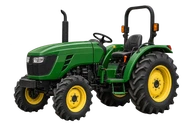
Choose an attachment category for the work, then identify the machine it must fit. A deck, tiller, bucket, or fork listing needs more context than a brand name or nominal size.
The articles below cover different attachment types and machines. Use the exact model and configuration described by each page; do not transfer a recommendation from one host machine to another.
Equipment & supplies
Measure the proposed setup and record each machine and attachment identifier. A shared category or series name does not establish compatibility.
Record accessible ground-level dimensions for an equipment and site discussion with a dealer or rental provider.

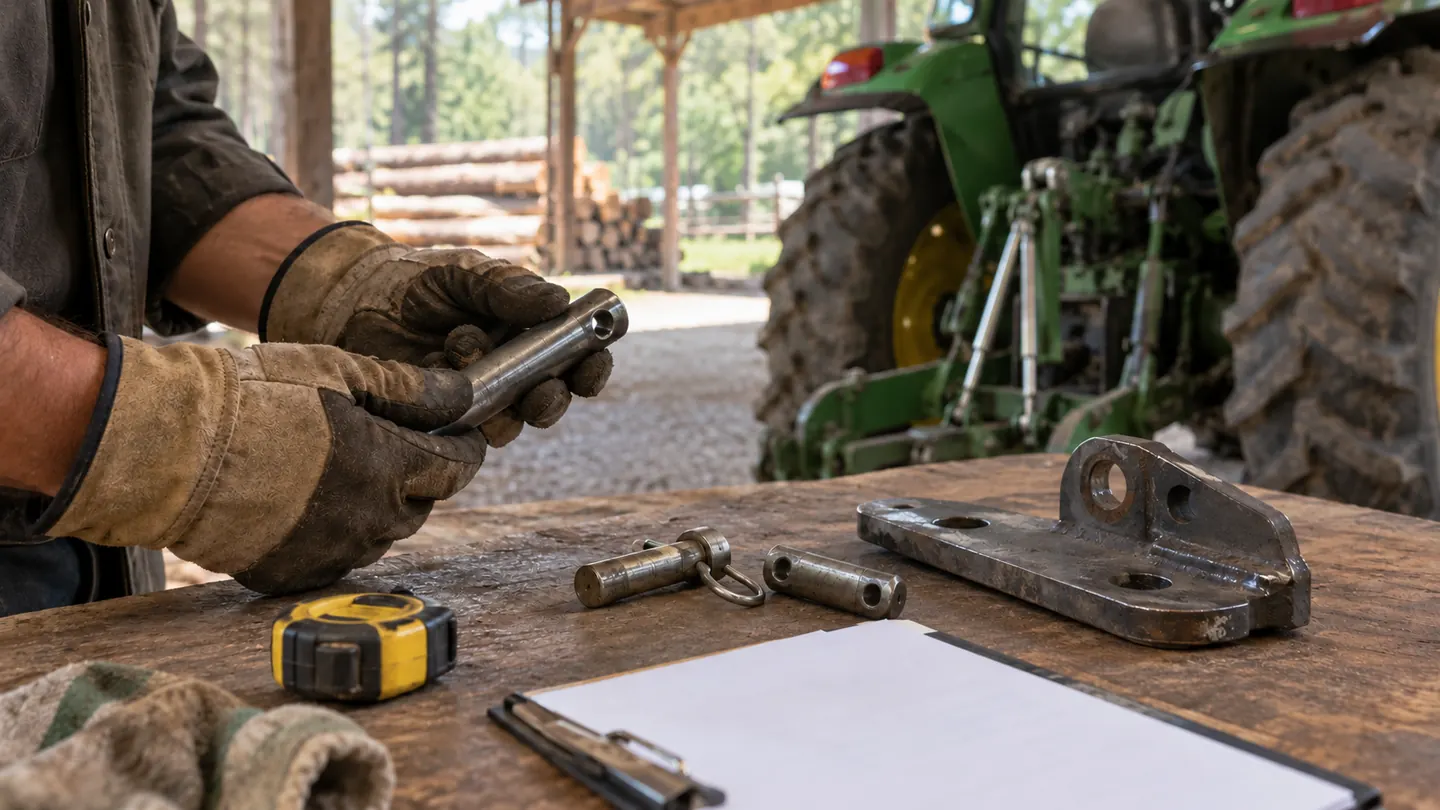
Read an accessible identification plate from another angle when collecting details for the matching manual.
Read accessible identification and warning labels after following the machine's shutdown instructions.
As an Amazon Associate I earn from qualifying purchases.
Introducing the John Deere 30A Tiller In the world of gardening and farming, having the right tools can make all the difference. The John Deere 30A Tiller is a versatile and powerful tool that can help us transform our soil, making it ready for planting. This tiller is not just any garden implement; it’s designed…
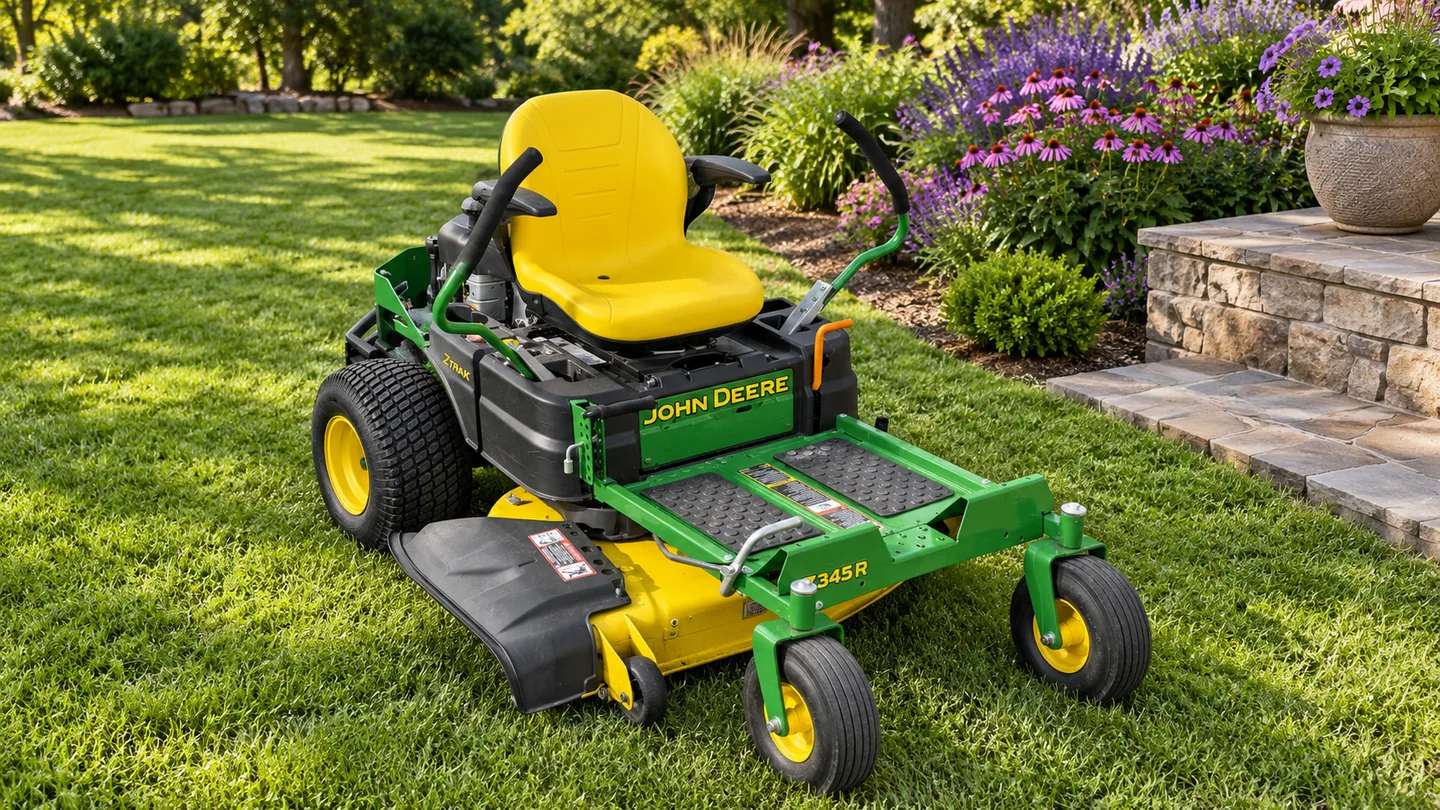
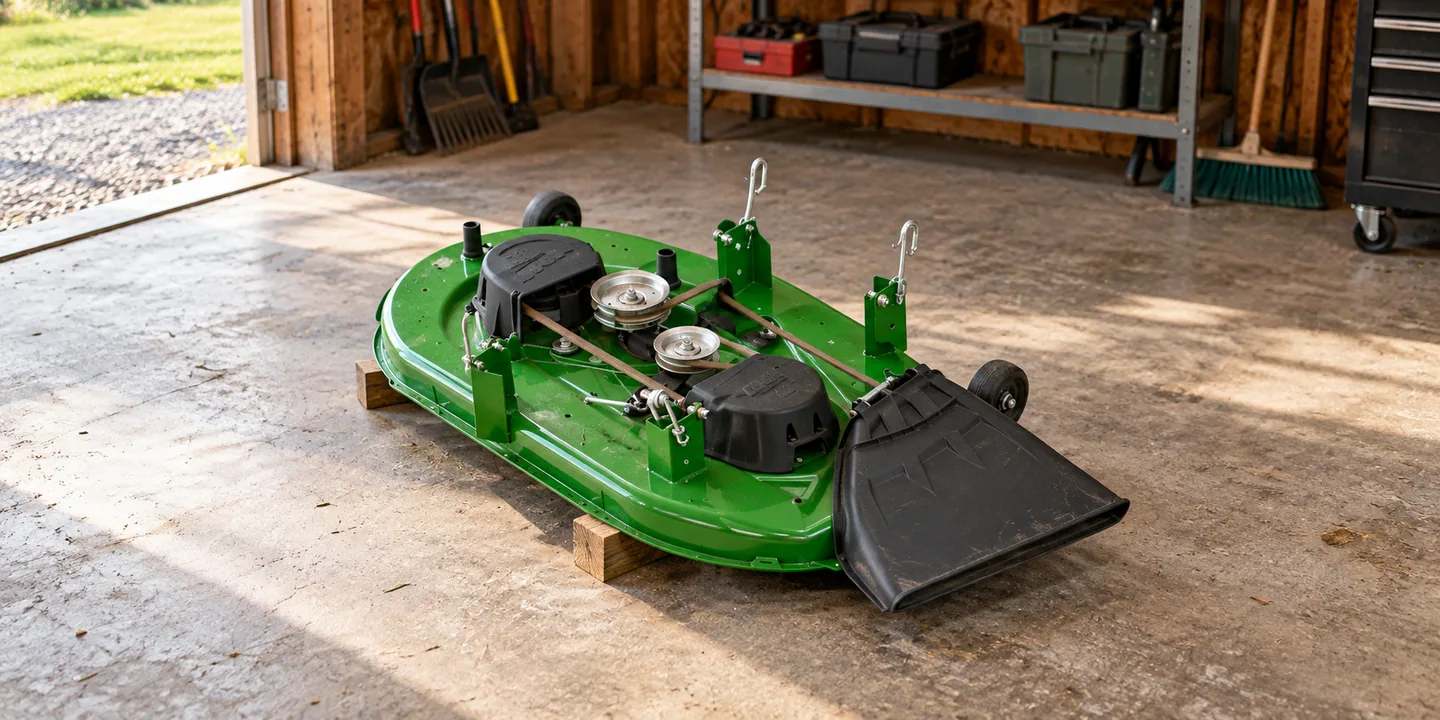
Identify the John Deere 42-inch deck family, replacement assembly and included hardware before ordering parts or comparing a used mower deck.
The John Deere L100's documented 42-inch deck has two blades, not three. Deere's historical deck-kit chart lists two blades and two spindle assemblies for the corresponding 42-inch rebuild kit. Before ordering anything, identify the tractor and the deck actually fitted to it: an older L100 may no longer carry its original assembly. This guide helps…
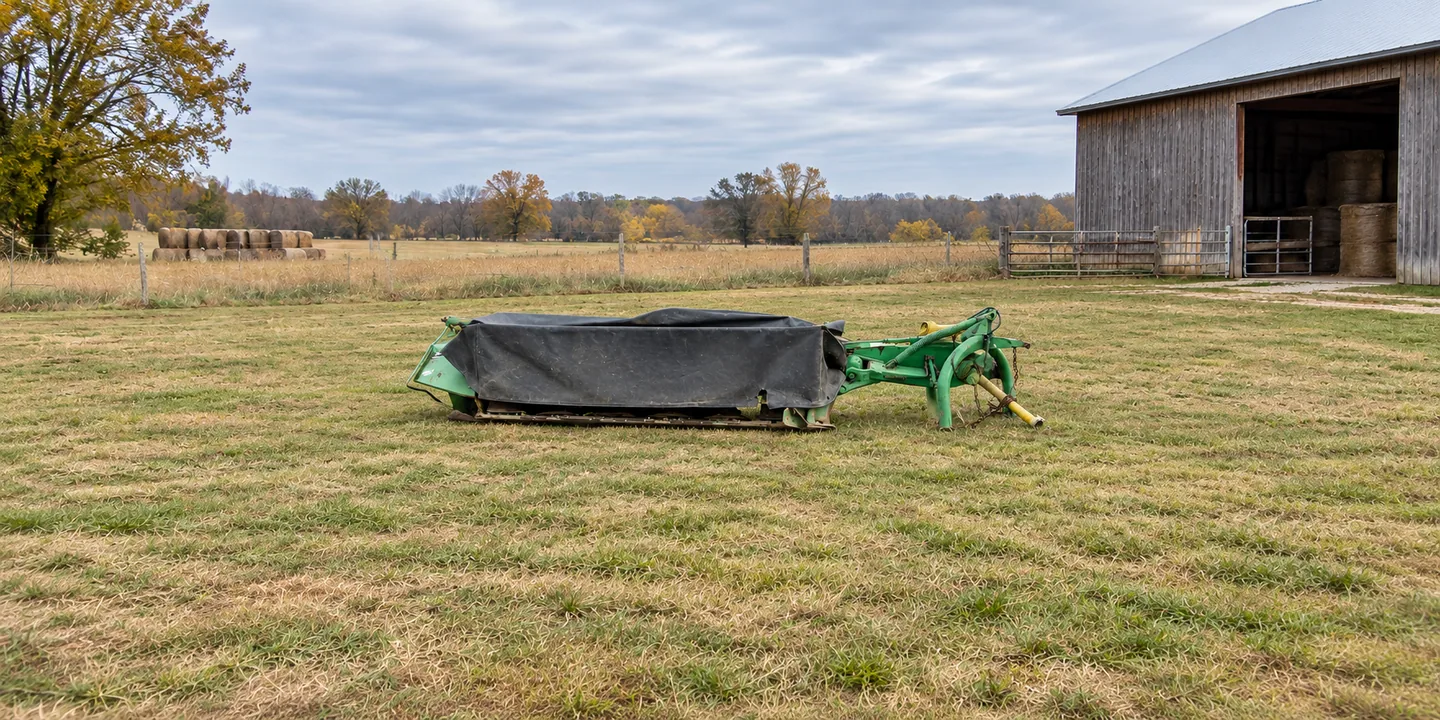
Check a used John Deere 260 disc mower, document its cutting assembly and resolve parts and tractor-connection questions before purchase.
| Equipment group | Details to bring together | Ask the supplier to resolve |
|---|---|---|
| Mower deck or grass-handling equipment | Machine identity, deck designation, and installation or drive components specified for that setup. | Which documented configuration does the offered item match? |
| Rear tractor implement | Tractor, implement, hitch details, and any applicable PTO or hydraulic requirements. | Which requirements are confirmed and which still need checking? |
| Bucket, pallet forks, or other loader attachment | Host machine, loader or carrier, interface, and exact attachment. | Does the documentation cover this complete combination? |
| Replacement part | Assembly identity, candidate part number, relevant serial range, and known replacements or modifications. | Does the proposed part match the installed assembly rather than only the original machine description? |
A description of an interface is not an operating approval. Record the applicable machine, attachment, and installation documentation, then check the requirements and limits stated for the complete configuration. Where the documentation is incomplete or the equipment has been modified, keep the fit question unresolved until the supplier or dealer confirms it.
For example, two listings that both say “42-inch deck” still need exact deck and host-machine identification. Treat the shared size as a starting point for the question, not a compatibility result.
Use the Parts Request Brief to identify gaps in the information you can provide. Use the Offer Scope Check when comparing included equipment, excluded installation components, or unclear seller descriptions.
Still choosing the host machine? Return to mowers for mowing equipment or loaders for the loading machine or tractor-loader combination. These are navigation routes, not endorsements of an unverified attachment fit.
For model-specific documentation, use the . Match the publication to the machine and configuration rather than relying on the model name alone.